When Your AI Supplier Can Veto Your Exit
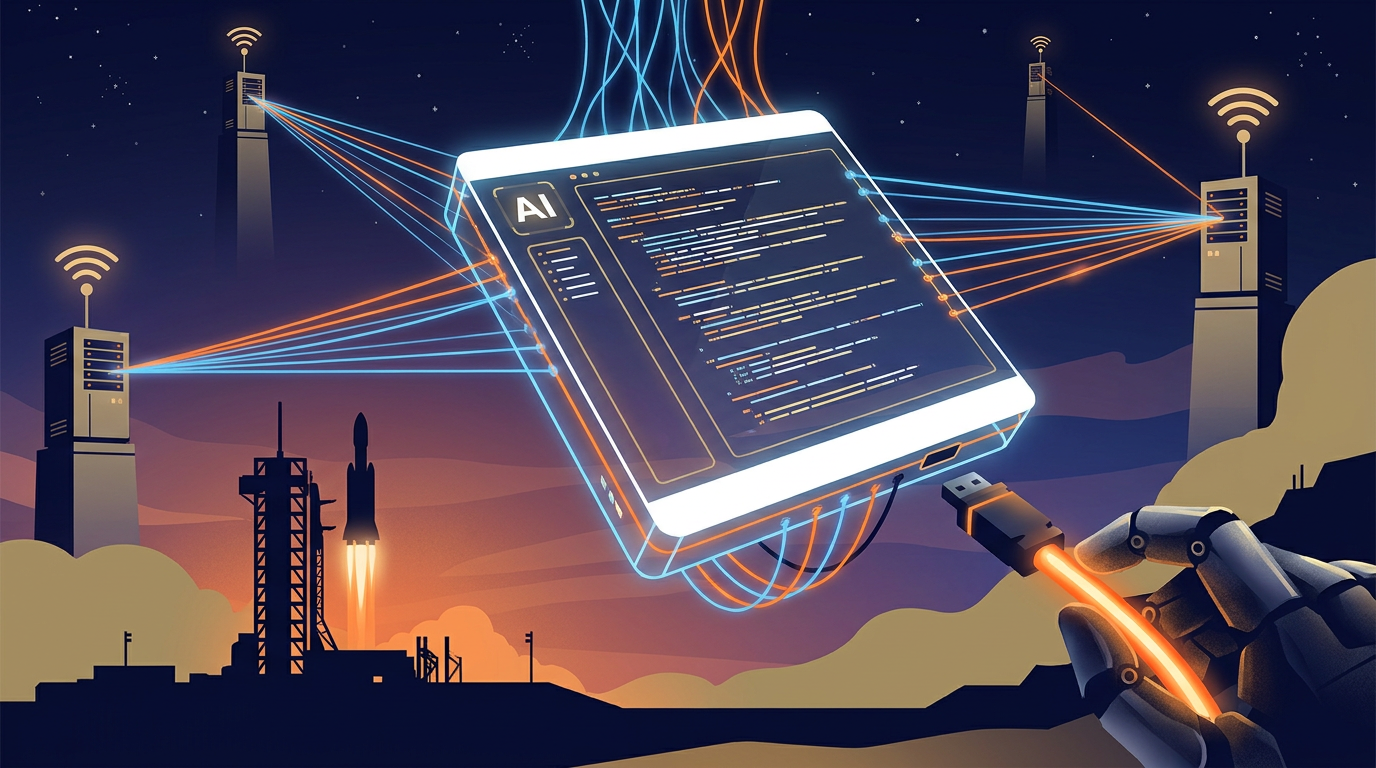
The most consequential part of SpaceX’s reported acquisition of Cursor may not be the price, product roadmap or promise of tighter integration. It is the reminder that an AI application does not necessarily control its most important raw material. If access to leading models can change when a customer changes owners, every API-dependent company carries a liability that few investors have priced correctly. The acquisition behind the argument OpenAI addressed the situation in [its published response](https://openai.com/index/our-decision-on-cursor-following-its-acquisition-by-spacex/), placing an unusual spotlight on what happens when a major downstream customer is absorbed into the orbit of a competing technology group. Cursor has become a prominent interface for AI-assisted software development. Its value comes from more than any single model: the product wraps code generation, editing and agent-like workflows in an environment designed for working programmers. Yet those experiences still depend heavily on access to capable foundation models supplied by outside companies. SpaceX, meanwhile, sits within Elon Musk’s broader constellation of businesses, which also includes the AI