When a Young Galaxy Is Not a Galaxy
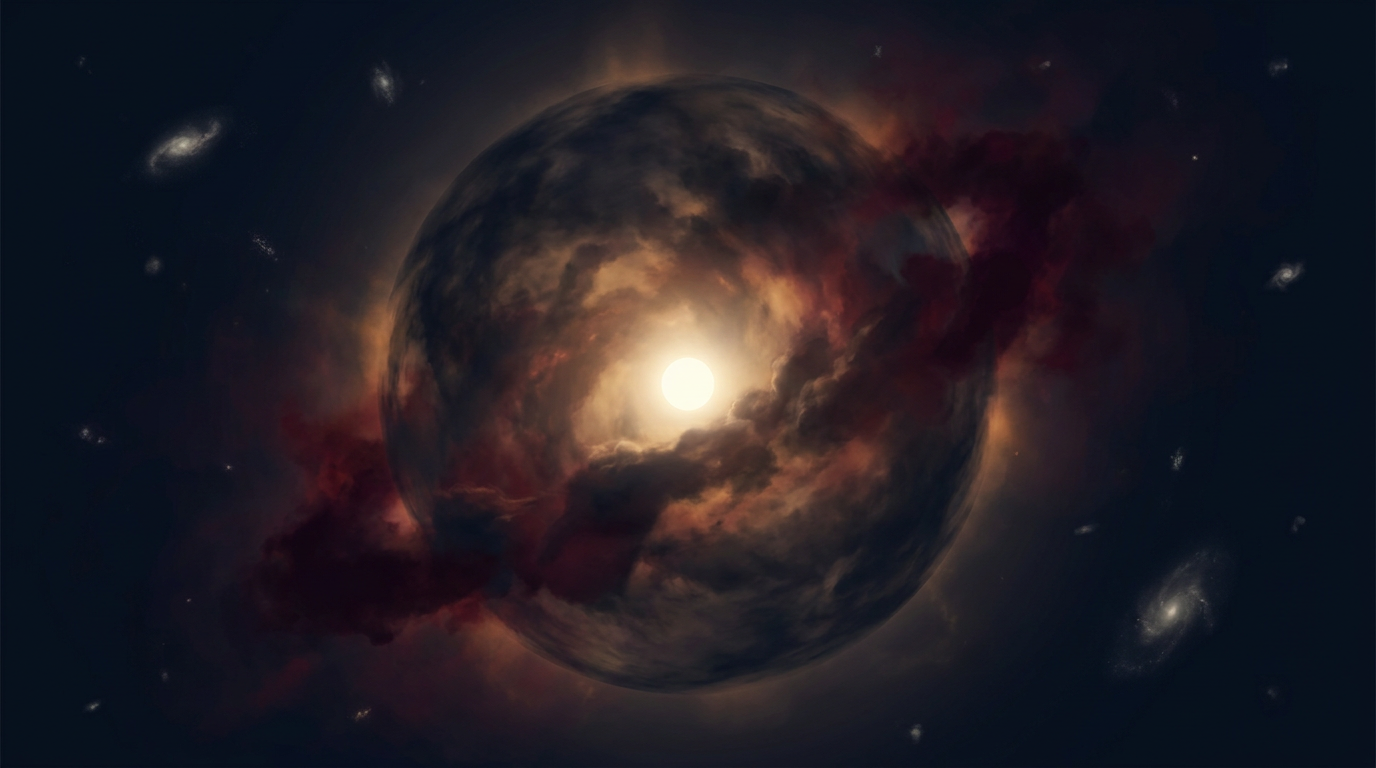
The most disruptive discoveries do not always add a new object to the cosmic inventory. Sometimes they reveal that the labels already attached to thousands of observations may be wrong. A proposed “black hole star”—an immense, luminous structure powered primarily by material falling toward a central black hole—could be that kind of discovery. A light source wearing a galactic disguise As [reported by The Guardian](https://news.google.com/rss/articles/CBMiowFBVV95cUxNYXJaeTh1TGJXSFdVMWhoV3AwQWdVcU5nLS13UTVicGFsdHVhR3Y3cFlIcDJvZEdnTU1meEJoakZBMHNUUU5GeWRNTTZBbVMtZVhhdnlhNkxSanNubUVrSmtOVTdJaTNYeDZhZlRaY29PSTJLR3g0SF95TVJ0Qk5vZFlDdWMzQTNoVnRnMjRweWlTNW5ORkYwUEZ2VllINFc1QjBj?oc=5), astronomers have identified a candidate for a previously unrecognised type of cosmic object. Its defining idea is counterintuitive: what looks like a compact stellar system may instead derive much of its brilliance from gas collapsing toward a black hole inside a dense surrounding envelope. The name “black hole star” is evocative but potentially misleading. This would not be a conventional star with a black hole neatly replacing its core. Nor would it simply be an exposed quasar, where a feeding supermas