When Control Rods Fall, the Reactor Slows—But the Questions Accelerate
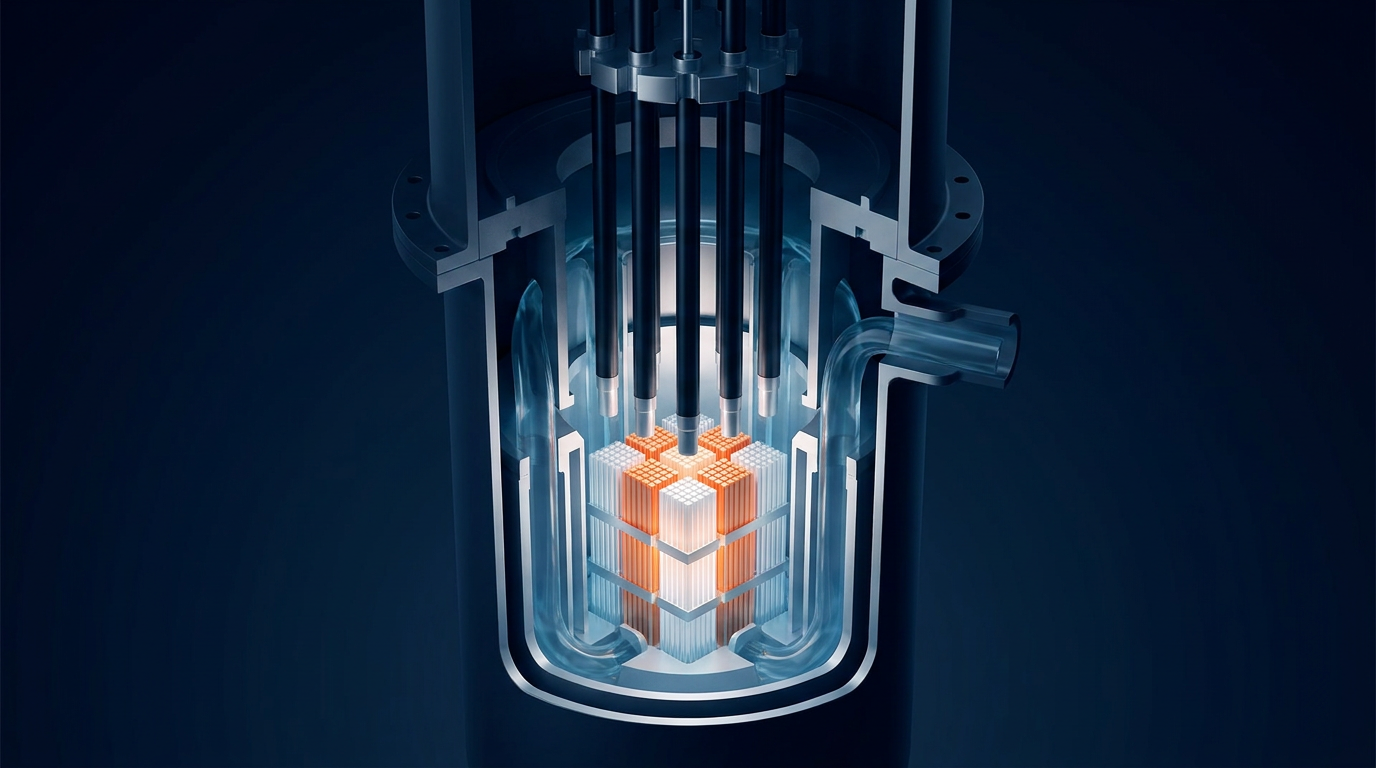
A nuclear reactor can produce headlines that invert the physics. The image of control rods falling into a reactor core sounds like fuel added to a fire. In most power reactors, however, inserting those rods absorbs neutrons and suppresses the chain reaction. The immediate concern at St. Lucie Unit 1 was not a runaway surge, but why three rods moved unexpectedly—and whether the resulting imbalance could challenge operating limits. A braking system activated at the wrong time According to [WPTV’s report](https://www.wptv.com/news/treasure-coast/region-st-lucie-county/saint-lucie-nuclear-power-plant-unit-1-manually-shut-down-after-3-control-rods-drop-into-reactor-core), operators manually shut down Unit 1 after three control rods dropped into the core. Unit 2 continued operating, and no public danger was reported. Control rods are made from materials that readily capture neutrons. Moving them deeper into the core generally lowers reactor power; withdrawing them permits more fission. A full shutdown inserts enough negative reactivity to halt the self-sustaining chain reaction, although cooling must continue because radioactive decay still generates heat. That makes the event count