The AI That Finds the Bug Should Not Hold the Patch Key
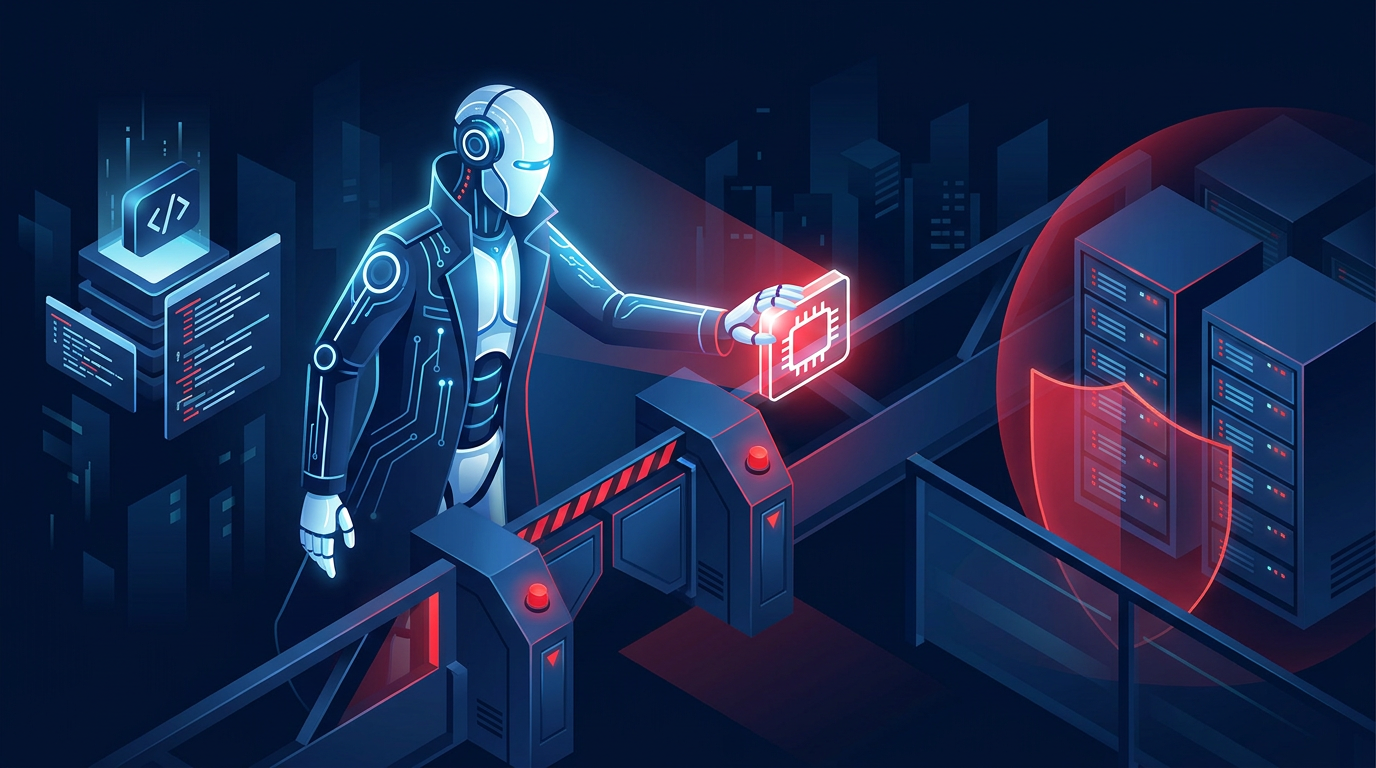
Security automation is often presented as a race against time: find the flaw, generate the correction, and ship it before an attacker arrives. But speed collapses several distinct security decisions into one workflow. When an AI-generated fix can move from diagnosis to production with privileged access, the tool is no longer merely an assistant. It has become a software supplier operating inside the organization’s trust boundary. When the remedy becomes the route in According to [Wiz’s account](https://www.wiz.io/blog/red-agent-snowflake-copilot-cicd-bug), researchers found that a security fix generated through GitHub Copilot Autofix could be used as part of a path into Snowflake’s Jira environment. The precise mechanics matter to defenders, but the broader lesson travels farther than any one product or company: generated remediation can create exposure as consequential as the defect it is intended to remove. That does not make automated fixes uniquely reckless. Human patches regularly contain regressions and incomplete assumptions. The difference is scale and institutional posture. Organizations may scrutinize a third-party library update while treating an AI-produced diff as